
DIY vs. Professional Trapping
Why Store-Bought Traps
Fail Armadillos
Armadillos are stronger, heavier, and more determined than most homeowners expect. Here's why hardware-store traps keep failing — and what actually works.
Call (615) 555-0100The Problem With Hardware-Store Traps
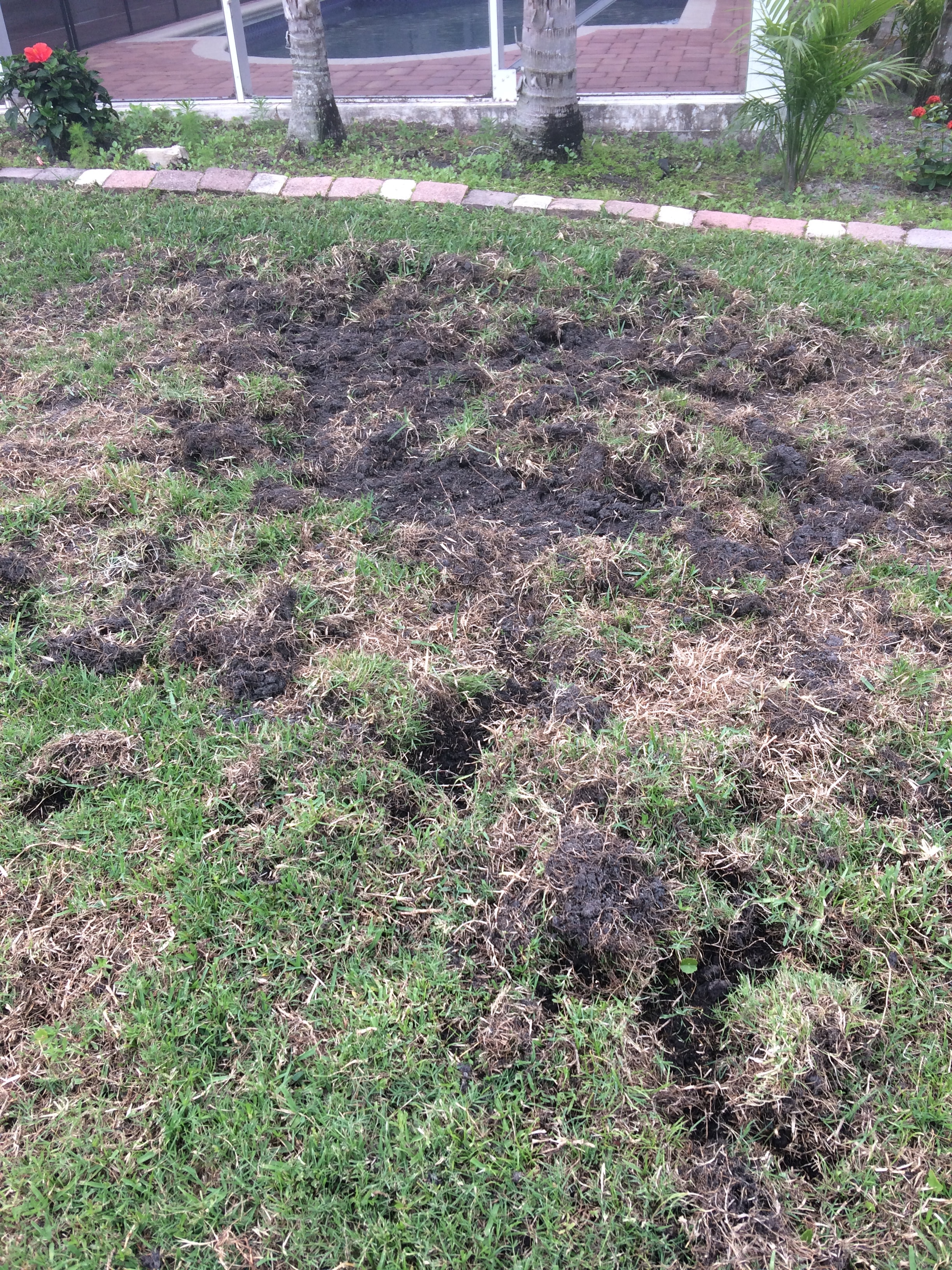
Every week we get calls from homeowners who've already spent $40–$80 on a wire cage trap from Home Depot or Tractor Supply. They set it, they wait, and one of three things happens: the trap springs but the armadillo isn't in it, the trap is flipped over and empty, or the armadillo is gone and the trap door is bent open.
This isn't bad luck. It's physics. Armadillos are built like tanks — a fully grown nine-banded armadillo weighs 8–17 pounds and is covered in bony armor plating. They generate serious force when they panic inside a trap. Consumer-grade wire cages are not engineered for that. Professional wildlife traps are.
Why DIY Traps Keep Failing
Gauge Wire That Bends Under Load
Most consumer cage traps use 12–14 gauge galvanized wire. An armadillo hitting the back wall of a trap at full panic generates enough force to bow the wire, create gaps, and eventually push through. Professional traps use 10 gauge or heavier — the difference is significant when an armored animal is throwing itself against the walls.
Doors That Don't Latch Securely
Consumer trap doors are held by simple gravity-drop latches. An armadillo that hits the door repeatedly — which they do — can work the latch loose or bend the door frame enough to create a gap. We've seen armadillos push through a 2-inch gap by compressing their shell. Professional traps use reinforced door frames with positive-lock mechanisms that don't give under repeated impact.
Traps That Tip Over
A lightweight wire cage on uneven ground tips when a panicking armadillo throws its weight to one side. Once tipped, the door can fall open or the animal can work the cage across the ground until it finds a gap or obstacle to push against. Professional traps are heavier, lower-profile, and we stake or weight them to the ground on every set.
Wrong Size for the Animal
Most homeowners buy a 'medium' cage trap sized for raccoons or possums — typically 10" x 12" x 32". Armadillos need a trap that's at least 10" x 10" x 30" with a low profile, because they travel low to the ground and are reluctant to enter a trap that requires them to step up. A trap that's too tall at the entrance gets ignored entirely.
Bait Doesn't Work on Armadillos
Armadillos hunt by smell and hearing for live insects just below the soil surface. They don't respond to static bait the way raccoons or squirrels do. Placing earthworms, grubs, or canned cat food in a trap almost never works — the armadillo smells it but won't enter a foreign object to get to it. Catch rates with bait alone are under 10%. Placement and funnel technique are everything.
No Funnel Setup
Setting a trap in the open yard and hoping an armadillo walks in is a low-percentage play. Armadillos follow edges — fence lines, garden borders, foundation walls. A trap set in the middle of a lawn may go untouched for weeks. The professional technique is to extend guide boards or wire wings from the trap entrance, creating a funnel that channels the armadillo's natural edge-following behavior directly into the trap.
Not Checking Traps Daily
A trapped armadillo in a wire cage in direct sun can die of heat stress within hours in a Tennessee summer. Beyond the animal welfare issue, a dead animal in the trap means you've lost your catch, you have a carcass to deal with, and the trap now smells like death — which deters other armadillos. Traps must be checked every morning without exception. Most homeowners miss a day.
One Trap for Multiple Animals
If you have armadillo activity across a large yard or multiple burrow sites, one trap is almost never enough. Armadillos are largely solitary but multiple individuals can work the same property. Catching one and stopping there leaves the others active. We typically deploy 2–4 traps per property depending on the damage pattern, and reposition them as activity shifts.
Store-Bought vs. Professional
When DIY Has a Chance
DIY trapping isn't impossible — it just has a low success rate and a high frustration rate. If you want to try it first, your best odds come from: a heavy-gauge trap (look for 10 gauge wire and a positive-lock door), setting it directly against a fence line or foundation wall with guide boards extending 3–4 feet on each side, checking it every single morning before 8am, and having a plan for relocation (Tennessee law requires releasing wildlife within the county of capture). If you've already tried and failed, or if the damage is near your foundation, call us — the longer active burrows go unaddressed, the more expensive the repair.
Done Fighting the Trap?
We bring professional-grade equipment, daily monitoring, and 15+ years of armadillo-specific experience. TWRA licensed. NWCOA Advanced Wildlife Operator certified. Most properties are cleared in 3–7 days. Call for a free assessment.
(615) 555-0100