
Armadillo Health Risks
Armadillo Diseases &
Health Hazards
Armadillos carry leprosy — one of the only animals that can transmit it to humans. They also carry other serious pathogens. Here's what you need to know before touching, digging, or cleaning up after them.
Call (615) 555-0100Armadillos Are a Genuine Health Risk
Most homeowners think of armadillos as a nuisance pest — holes in the yard, torn-up mulch beds. The health risk doesn't register until after they've already been handling traps barehanded, filling in burrows with a shovel, or letting their kids play in a yard full of armadillo activity.
Armadillos are one of the only non-human animals that naturally carry Mycobacterium leprae — the bacterium that causes leprosy. They also carry Salmonella, leptospirosis, and other pathogens. The risk is real, it's documented, and it's easy to avoid if you know what not to do.
Diseases Armadillos Carry
Leprosy (Hansen's Disease)
Serious RiskWhat It Is
Leprosy is caused by Mycobacterium leprae, a slow-growing bacterium that attacks the skin, nerves, and mucous membranes. Nine-banded armadillos — the species found throughout Tennessee — are one of the only animals besides humans that can harbor and transmit this bacterium.
How It's Transmitted
Transmission requires close, repeated contact with an infected animal. The most common routes are handling live or dead armadillos without gloves, contact with armadillo blood or tissue during trap handling or carcass removal, and inhaling soil or dust disturbed from active burrow areas. Casual proximity — walking past a yard with armadillo activity — does not transmit leprosy.
Risk Level in Tennessee
Studies in the southeastern United States have found M. leprae in 15–20% of wild armadillos tested. Tennessee falls within the endemic range. The CDC has confirmed armadillo contact as a risk factor for leprosy in the US. Most people who contract leprosy from armadillos have a history of handling them directly.
Symptoms
Leprosy has an incubation period of 3–10 years, which means symptoms appear long after exposure. Early signs include skin lesions that don't heal, numbness in hands and feet, and muscle weakness. It is treatable with antibiotics if caught early — untreated, it causes permanent nerve damage.
Salmonellosis
Moderate RiskWhat It Is
Salmonella bacteria live in the digestive tracts of many wild animals, including armadillos. The bacteria are shed in feces and can contaminate soil, water, and surfaces in areas of armadillo activity.
How It's Transmitted
Contact with armadillo feces — directly or through contaminated soil — followed by touching your face or mouth without washing hands. Children playing in yards with active armadillo activity are at elevated risk. Contaminated garden soil is a common exposure route for vegetable gardeners.
Risk Level in Tennessee
Moderate. Salmonella infection causes gastroenteritis — fever, diarrhea, abdominal cramps — within 12–72 hours of exposure. Most healthy adults recover without treatment. The elderly, young children, and immunocompromised individuals face more serious complications.
Symptoms
Fever, diarrhea (sometimes bloody), nausea, vomiting, and abdominal cramps lasting 4–7 days. Severe cases require hospitalization and IV fluids. Seek medical attention if symptoms are severe or the affected person is in a high-risk group.
Leptospirosis
Moderate RiskWhat It Is
Leptospira bacteria are carried in the kidneys of many wild animals and shed in urine. Armadillos are a documented reservoir host. The bacteria survive in moist soil and standing water for weeks to months.
How It's Transmitted
Contact with soil or water contaminated with armadillo urine — especially through cuts or abrasions in the skin, or through mucous membranes (eyes, nose, mouth). Digging in or around active burrow areas without gloves is a direct exposure route. Flooding events that spread contaminated soil increase risk.
Risk Level in Tennessee
Moderate. More common in tropical climates but present throughout the southeastern US. Particularly relevant for homeowners doing yard work in areas of heavy armadillo activity, especially after rain.
Symptoms
Initial phase: high fever, severe headache, muscle aches, vomiting. Most cases resolve on their own. A small percentage progress to Weil's disease — a severe form involving liver and kidney failure, meningitis, and respiratory distress. Treatable with antibiotics if caught early.
Chagas Disease (Low Risk)
Low RiskWhat It Is
Chagas disease is caused by the parasite Trypanosoma cruzi, transmitted primarily by triatomine bugs (kissing bugs) that feed on armadillos and other wildlife. Armadillos are a reservoir host for the parasite.
How It's Transmitted
Armadillos do not directly transmit Chagas to humans. The risk pathway is indirect: kissing bugs that have fed on infected armadillos can then bite humans and transmit the parasite. Handling armadillos does not directly expose you to Chagas.
Risk Level in Tennessee
Low for direct transmission from armadillos. The relevant risk is the presence of kissing bugs in areas with high armadillo activity. If you're finding kissing bugs in or around your home, armadillo activity nearby may be a contributing factor.
Symptoms
Initial infection may cause mild fever and swelling. Chronic Chagas disease — which develops years later in some cases — can cause serious heart and digestive complications. Treatable with antiparasitic drugs if caught in the acute phase.
Don't Dig Where Armadillos Have Been
This is the most important rule for homeowners dealing with armadillo activity
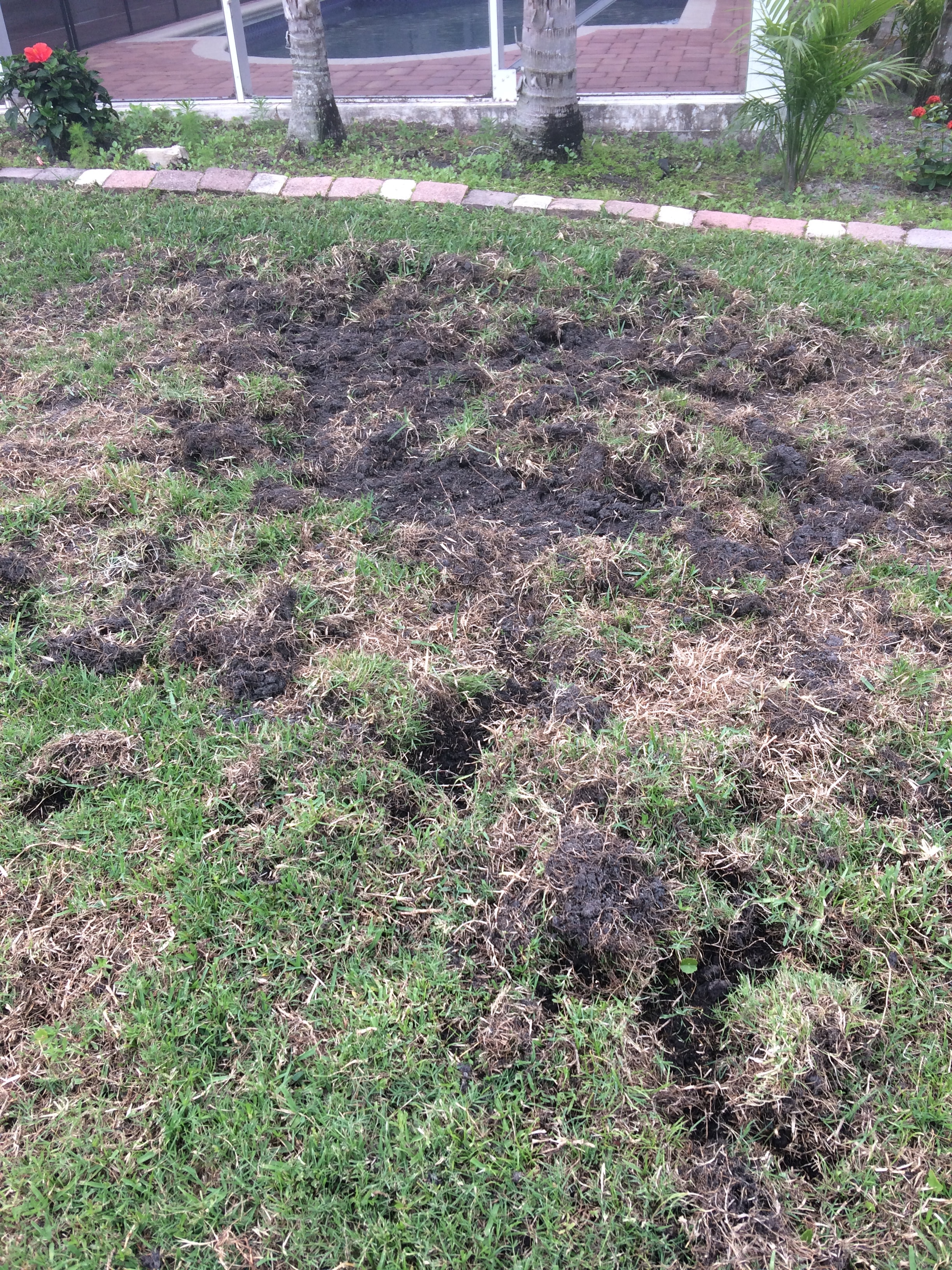
Armadillo burrows and the soil immediately around active digging sites are the highest-risk areas on your property. Burrow soil contains concentrated feces, urine, shed skin cells, and the bacteria and parasites that come with them. When you dig into a burrow with a shovel — or even just disturb the soil — you aerosolize those pathogens. You breathe them in. They get on your hands, your clothes, your face.
Don't fill burrows barehanded
If you're going to fill an armadillo burrow yourself, wear nitrile or rubber gloves, a dust mask (N95 preferred), and wash your hands and forearms thoroughly afterward. Don't touch your face during the work.
Don't let children play near active burrow sites
Kids put their hands in their mouths. A child playing in soil around an active armadillo burrow has direct exposure to Salmonella and Leptospira. Keep children away from active digging areas until the armadillos are removed and the burrows are properly filled and treated.
Don't handle dead armadillos without protection
A dead armadillo is a concentrated pathogen source. Leprosy bacteria survive in tissue after death. Wear heavy rubber gloves, double-bag the carcass, and wash thoroughly. Better yet, call us — dead animal removal is part of what we do.
Don't handle live armadillos barehanded
Even a trapped armadillo that appears calm can scratch and bite when handled. Scratches and bites break the skin — the most direct route for pathogen transmission. Always use heavy gloves when handling traps with live animals inside, and never reach into a trap.
Don't garden in heavily affected areas without gloves
Vegetable gardens and flower beds with active armadillo digging are contaminated with feces and urine. Wear gloves for any gardening in these areas, wash produce thoroughly, and consider waiting until the armadillos are removed before planting edibles in affected beds.
Don't assume the risk is gone when the armadillo is gone
Pathogens in burrow soil persist after the animal leaves. Salmonella and Leptospira can survive in moist soil for weeks to months. After removal, burrows should be filled with clean compacted soil and the area allowed to dry before resuming normal use.
Who Is Most at Risk
Healthy adults with intact immune systems face relatively low risk from casual armadillo activity in their yard. Risk increases significantly with direct contact — handling animals, digging in burrows, or working in heavily contaminated soil. The following groups face elevated risk and should take extra precautions or avoid contact entirely:
Children under 12
Hand-to-mouth behavior and developing immune systems
Adults over 65
Reduced immune response to bacterial infection
Immunocompromised individuals
Cancer patients, transplant recipients, HIV-positive individuals
Pregnant women
Leptospirosis poses serious risk to fetal development
People with open wounds or skin conditions
Broken skin is a direct entry point for Leptospira and other pathogens
Gardeners and landscapers
Regular soil contact in affected areas increases cumulative exposure
Medical Disclaimer: This page provides general public health information about documented risks associated with armadillo contact. It is not medical advice. If you believe you have been exposed to armadillo pathogens or are experiencing symptoms, consult a physician.
Let Us Handle the Risk
Professional removal means you never have to touch an armadillo, handle a carcass, or dig out a burrow. We bring the PPE, the equipment, and the training. You stay safe.
(615) 555-0100